Interview with Chlöe Swarbrick
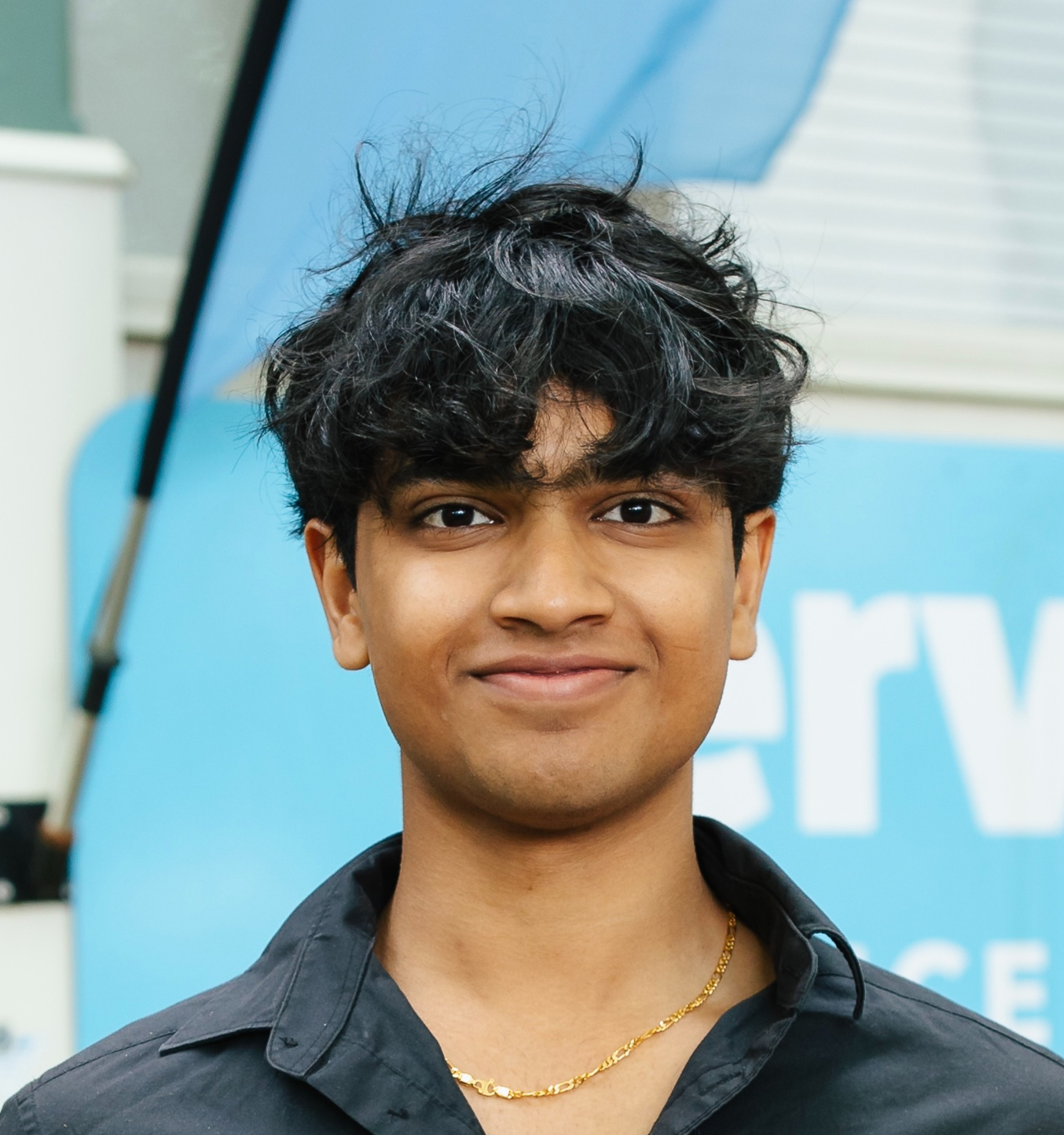
On a sunny afternoon on 5 August, I had the opportunity to interview Chlöe Swarbrick, the Auckland Central MP and Co-Leader of the Green Party. As she arrived on the University of Auckland campus, she was quickly recognised by students, many of whom stopped to greet her, offer compliments, and express their support. The warm reception highlighted the strong connection she has with many young people and the student community.
During the interview, I asked Swarbrick about a range of issues affecting students, including the cost of living and the challenges facing young New Zealanders. We also filmed a series of 10 quickfire questions for a social media reel, which went on to attract more than 600,000 views, becoming both her and Craccum's most-viewed reel. The interview also gained wider political attention when the National Party used clips from it in social media posts, including a segment where Swarbrick was asked which ministerial portfolio, she would most like to hold. Her answer: Minister of Finance. Note: This was an in-person interview that has been condensed and paraphrased for print by Craccum.

What made you decide to run for Parliament?
I'd spent years at 95bFM interviewing politicians, community leaders, experts and researchers about the problems we faced, and couldn't understand why what they were saying didn't match what politicians did.
That came to a head at the end of 2015 and into 2016, when I was interviewing the four candidates the mainstream media had deemed the top contenders for Auckland mayor. I found them uninspiring, and with turnout at the previous election only around 34%, I was baffled so many of us were disengaged from something so consequential for our city. I complained about it to my producer, who told me to shut up and do something about it, so I looked up how to run for mayor and put my name forward. My campaign was about reminding people of their power, and the idea that no one changes the world alone, we do it together. We raised about $5,000 selling Napoleon Dynamite-style Vote for Pedro, but for Chlöe T-shirts, and came third, with just over 30,000 votes.
Afterwards, political parties approached me, but I was running a small art gallery, coffee and donut shop in Mount Eden, and thought I'd just keep doing that or become a journalist. Reflecting with friends, I realised the shop, which helped local creatives build their careers, was an inherently political act, and that I'd regret it if I didn't run for Parliament. I chose the Green Party for its clear, evidence-based values, at a time when many politicians seem driven more by polls than values. I was elected in 2017, at 23.

What do you think is the biggest issue that students are facing today?
The biggest issue students face is cost of living, plain and simple. It affects everything: people's ability to keep pursuing education, to see a future, put down roots and plan ahead, and the pressure of finding a job here. More broadly, it comes down to the economy and the economic rules we currently have in place.
I want to be clear that the inequality and student poverty we have isn't inevitable, it's a political choice. A generation ago, university wasn't just free, people were paid to go. Now young people are told their only path is tertiary education, followed by masses of debt, in an unstable world.
The solution is resetting those rules: a wealth tax on net assets above $10 million, on the amount above that threshold, along with fairly taxing tech giants. That would unlock enough revenue to give 96% of New Zealanders income tax cuts, and unlike this Government's tax cuts, that money wouldn't just get sucked back out of people's pockets, because the rest would be invested in lowering people's cost of living.
Why should University of Auckland students vote for the Greens in the upcoming general election?
Because we're the only party with a comprehensive economic plan that invests in job creation, our people, our infrastructure and our natural environment. This is what that's what actually underpins the economy, and that ultimately values students and education.
Look at my track record as our former tertiary education spokesperson: I drove the first-ever regulation of student accommodation. We also secured the People's Inquiry into Student Wellbeing, which Francisco Hernandez, our new tertiary education spokesperson, is now updating, because the Ministry of Social Development and Ministry of Education kept refusing to do that work, claiming there was no problem simply because they'd never collected the data.
We've consistently shown we'll fight for and with students, including through the Students for Fair Rent movement. That's been central to everything we've done. But we're not only thinking about students or renters, we're thinking about how to build an economy that works for all of us.

How would your policies help graduates find jobs after university?
We'll be releasing our full jobs policy soon, but the basic principle is that this country needs a government with its hands on the wheel of the economy. For the last 40 years, and especially the last three, control has increasingly passed to multinational corporations, and that market consolidation. The World Trade Organisation has recognised this is a real impediment to innovation and job opportunities here. Investing in ourselves, our infrastructure and our education pipeline makes us more creative, innovative and productive, but this government has taken a cutting approach instead, and that's how you break a country, not build one. These aren't left-wing ideas, they're common sense economic principles other countries already pursue.
It comes down to a fork in the road: this government wants people to believe we deserve nothing better than a dog-eat-dog fight for survival, but we don't need to fight for survival, we need to work together for it, and that's what makes us stronger.
Critics argue that many green policies are expensive and that the party underestimates the impact on businesses and taxpayers. What is your response to voters who worry about affordability?
We're living in a world that's been dominated by right-wing economic thinking for the last 40 years, and the real issue is how expensive it's been to keep pursuing trickle-down economics. One in seven children live in poverty, increasing numbers of New Zealanders are dealing with polluted water supplies, inequality is at its highest ever recorded level, and unemployment is at its highest in 11 years. Those outcomes come from economic settings that let wealth be siphoned out of our communities and increasingly offshore, and so many young people don't see a future here. The only way to fix that is active investment in ourselves.
We've independently costed all our policies and shown our fiscal strategy, so the facts are clear: these policies are affordable with a fair tax system. It comes down to whether we're willing to take responsibility for ourselves instead of being bullied by multinational corporations. New Zealanders, especially young ones, get to decide what's possible if they organise and make their voices heard this election.
Quickfire Questions
We put Chlöe to the test and asked her 10 Quickfire Questions (Check our the video below):
Check out the full 2026 Politics Edition and see other candidates: Craccum Issue 7: Politics Edition


Comments